
Turn City Blocks into Living Classrooms

Today we dive into designing urban micro‑adventures to teach local history, turning short, walkable quests into gateways for discovery on ordinary streets. Expect adaptable frameworks, real-world examples, and playful tools for families, educators, and neighbors. We’ll map stories to sidewalks, connect archives to landmarks, and invite you to co-create experiences that honor community voices while sparking wonder, reflection, and conversation long after the final clue is solved. Have a street you love or a question you want explored? Share it with us, subscribe for monthly route releases, and join workshops where we build new adventures together, step by step, story by story.

Start with the Street: Research and Route Crafting
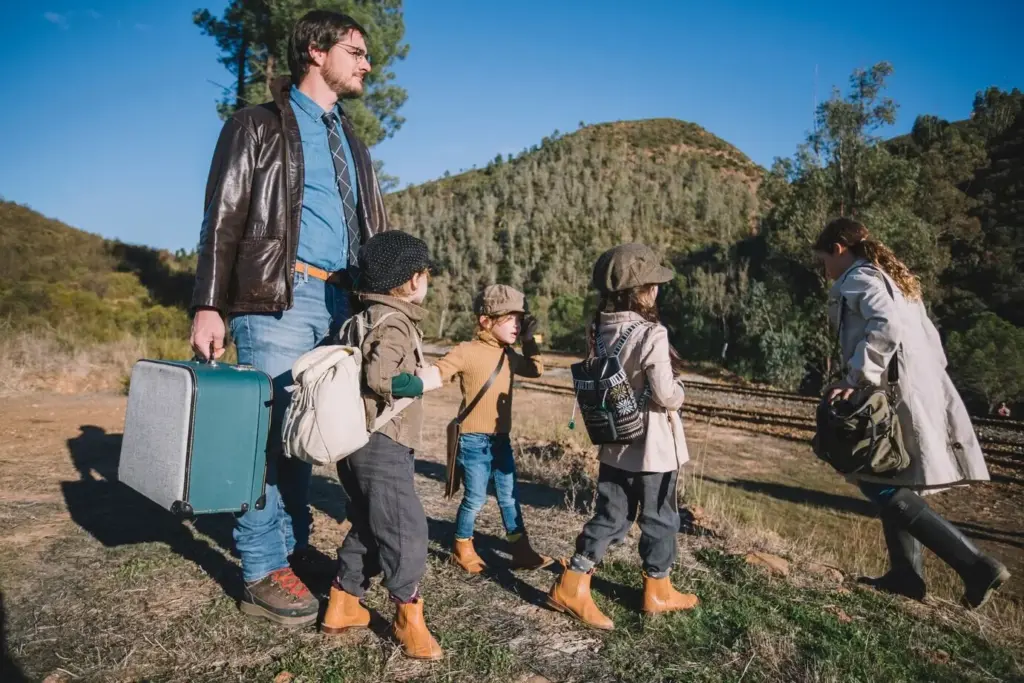
Before any clue is printed or a QR code placed, spend time on the block. Read plaques, scan Sanborn maps, listen to elders, and note smells, sounds, and sightlines. Cluster three to five story nodes into a twenty-to-forty‑minute loop, prioritizing safe crossings, shade, benches, and step-free options. A thoughtful route lets history breathe through rhythm, surprise, and rest, welcoming newcomers while rewarding curious locals with layered detail.

Scouting Hidden Story Nodes

Walk the route at different hours, letting curiosity lead. Peek into courtyards, study cornices, and follow utility covers toward industrial traces. Ask shopkeepers about odd dates etched in stone. Photograph textures. Track ambient noise and wind. Each observation becomes a potential narrative hinge, guiding movement and mood between stops.

Balancing Distance, Pace, and Delight

Consider average stride length, stroller turning radii, and the way awe expands time. Alternate tight alleys with open squares, quiet listening with playful challenge. Keep water, restrooms, and shade in mind. Small delights—a hidden mosaic, a friendly cat—reset attention and balance effort with reward.

Story Architecture: From Facts to Playable Narrative

Facts alone rarely invite movement; stories do. Shape a beginning that sparks curiosity, a middle that complicates understanding, and an end that opens reflection or action. Translate dates into dilemmas, buildings into characters, and corners into cliffhangers. Decide when choice enhances learning and when a steady path preserves coherence.

Tools and Tech that Stay Human

Technology can amplify wonder, yet the street should always lead. Start analog with beautiful maps, chalk stencils, and tactile prompts, then layer QR codes, audio, or light AR where useful. Design for low bandwidth, shared devices, battery realities, and multilingual access so neighbors feel welcomed, not excluded.

Partnering with Keepers of Memory

Identify elders, tenant leaders, librarians, and youth historians guarding stories others miss. Invite them to set priorities, vet interpretations, and appear in clues. Offer flexible meeting times, snacks, and accessible formats. Respect boundaries, spell out rights, and share ownership so work circulates within the neighborhood, not just online.

Handling Painful Pasts with Care

Prepare participants gently for difficult truths about displacement, exploitation, or violence. Provide content warnings and choices to step aside. Pair painful facts with context, community resilience, and resources. Invite reflection and action without sensationalizing trauma, honoring those affected while keeping participants emotionally supported and informed.

Attribution, Compensation, and Ongoing Stewardship

List sources clearly, acknowledge storytellers by name if desired, and budget stipends. Establish update cycles to correct errors as neighbors contribute new knowledge. Train volunteers to host respectfully. Stewardship ensures accuracy grows over time, nurturing pride, accountability, and cross-generational learning beyond launch day.
Learning Outcomes You Can Feel

Learning should be measurable yet joyful. Align activities with curriculum standards or community goals while keeping curiosity at the center. Define knowledge, skills, and dispositions to cultivate, then design prompts that reveal growth through action, conversation, and creation rather than tests alone. Celebrate discovery as much as recall.

Pilot, Iterate, and Grow

Test in heat, drizzle, and dusk. Observe stroller jams, puddle hazards, and where laughter erupts. Carry spare pencils and backup routes. Debrief immediately with participants while details are fresh. Weather and light reveal friction you cannot simulate indoors, sharpening empathy and design decisions.
Define metrics that reflect purpose: the number of questions asked, the variety of perspectives cited, return visits, and community-led spinoffs. Combine quantitative dashboards with qualitative stories. Publish findings and invite critique so others can adapt, remix, and strengthen the model together.
Link routes across districts with shared symbols, rotating challenges, and community festivals. Train neighborhood hosts and create submission portals for new stops. A networked approach keeps stories alive, invites ongoing contributions, and turns occasional walks into a sustained local learning ecosystem.
Feralexenohivexukixuri
Privacy Overview

This website uses cookies so that we can provide you with the best user experience possible. Cookie information is stored in your browser and performs functions such as recognising you when you return to our website and helping our team to understand which sections of the website you find most interesting and useful.